
9 Spending Habits You Can Let Go (And Not Even Miss)
We all have little spending habits that sneak into our lives. They start small — a coffee here, an impulse buy there — and before we know it, they’re quietly draining our bank accounts and adding to our stress.
If you’re wondering how to stop spending money without major sacrifice, you’re in the right place. Here’s the thing about midlife money management: when you’re already juggling kids’ expenses, aging parents, potential career changes, and trying to catch up on retirement savings, you need every dollar working toward your actual priorities.
The good news? Plugging these money leaks doesn’t mean cutting all the fun. Sometimes, it’s just about noticing what no longer serves you and gently letting it go.
Here are 9 common spending habits you can release — no guilt, no shame, and definitely no deprivation.
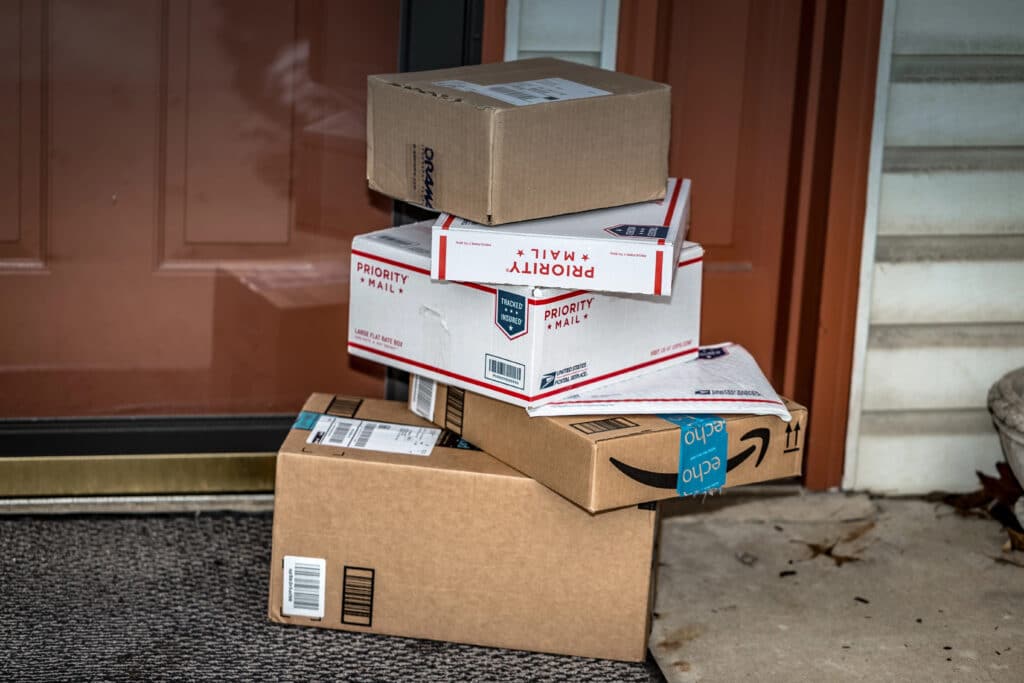
1. Mindless Amazon “Add to Cart” Stress Relief
Ever added something “just because” you had a rough day, and then don’t even use it when it arrives? I’ve definitely been there. Packages that I ordered during some late-night stress shopping, sitting unopened. By the time they arrive, I can’t even remember why I thought I needed them.
These small, unplanned purchases add up quickly, especially when shopping becomes a go-to stress response or boredom filler. The real issue isn’t the $15 here and there. The issue is using spending to soothe feelings that need different solutions.
2. Drive-Thru Coffees That Are Really About Avoiding Morning Chaos
Let’s be honest… sometimes that $5 latte isn’t about the coffee. It’s about having one moment of peace before diving into everyone else’s needs. But if you’re spending $20–$40 a week on coffee you don’t even taste because you’re rushing, there might be a gentler way to create that morning breathing space.
3. Grab-and-Go Snacks That Multiply at Checkout
Those “just a few things” you grab while running errands can sneak an extra $10–$20 onto your receipt. When you’re already managing a mental load of seventeen other things, it’s easy to lose track of the extras. Planning ahead or shopping with a list helps keep the impulse add-ons in check, and honestly, reduces decision fatigue too.
4. Auto-Renew Subscriptions You Forgot About
Streaming services, apps, digital tools… It’s easy to lose track of automatic charges to your card. I discovered I was paying for a meditation app I forgot I had and a meal planning service during a phase when I was picking up heat-and-eat dinners from the deli three nights a week. Sometimes we sign up for things during one season of life that just don’t fit our current reality.
5. Buying Clothes Just Because They’re “Such a Good Deal”
If it’s still hanging in your closet with the tags on six months later, it probably wasn’t the deal you thought it was. Sales are tempting — but only if the item actually fills a gap you care about. At this stage of life, we need clothes that work for our actual life, not our aspirational one.
6. Convenience Fees for Small, Last-Minute Orders
Grocery delivery can be a quality-of-life saver, but those delivery fees add up when you’re ordering in a rush or for just a few items. Try looking at what you already have on hand that you can substitute until your next regular order. Your future self (and your bank account) will thank you.
7. How to Stop Spending Money on Emotional First Aid
We’ve all been there… using shopping as emotional first aid when life feels overwhelming. I’ve definitely bought that organizational gadget when I really needed to declutter, purchased new skincare when I needed to be consistent with what I already had, or grabbed some new decor when I really needed to clean what I’ve already got.
The problem isn’t wanting to improve your life; it’s believing that buying something will solve what actually requires action. That new thing promises to be the missing piece, but usually it just becomes one more thing to manage. Turns out a pillow from Home Goods won’t complete me!

8. Subscription Boxes You’ve Outgrown
What started as fun might now feel like clutter or just one more thing to deal with. Life changes, priorities shift, and that’s okay. If you don’t look forward to opening it anymore, it’s perfectly fine to cancel. You can always restart it later if you miss it.
9. Overspending on Gifts Out of Guilt or Pressure
Giving generously is beautiful. But overspending out of guilt, comparison, or trying to compensate for time you wish you had can leave you stressed and stretched. At midlife, meaningful doesn’t have to mean expensive, and your loved ones would rather have you financially secure than overwhelmed by gift-giving pressure.
The Pattern Behind the Habits
Notice anything about this list? Most of these aren’t really about the money. They’re about managing stress, avoiding decisions, or filling emotional gaps on autopilot. And that’s exactly why they’re so hard to spot and so easy to let slide.
The truth is, when you’re managing complex financial responsibilities, every dollar needs to serve a purpose, whether that’s paying bills, building security, or funding things that genuinely matter to you. These habits aren’t bringing you joy anyway. They’re just running in the background, quietly working against your bigger goals.
Start Where You Are
Learning how to stop spending money doesn’t have to be about deprivation. Letting go of just one or two of these patterns is a powerful, doable way to change your spending and create breathing room for what really counts.
Pick the one that made you think “Oh, that’s totally me.” Notice how it feels to make intentional choices instead of default ones.
What would it feel like to have an extra $100 in your account next month, not from extreme cuts, but from letting go of things you don’t even miss? That’s money that could go toward your emergency fund, a weekend getaway, or just the peace of mind that comes from knowing where your dollars are actually going.
Small, intentional shifts like these can lead to real financial change in your life, one conscious choice at a time.